Botanical name, plant part, ratio or active marker, and test method should align before pricing.
Botanical extract supplier USA
Standardized Botanical Extract Suppliers for U.S. B2B Buyers
Essence Source helps U.S. ingredient buyers compare standardized botanical extract suppliers by active marker, plant part, assay method, COA/TDS documentation support, sample planning, and commercial RFQ workflow.
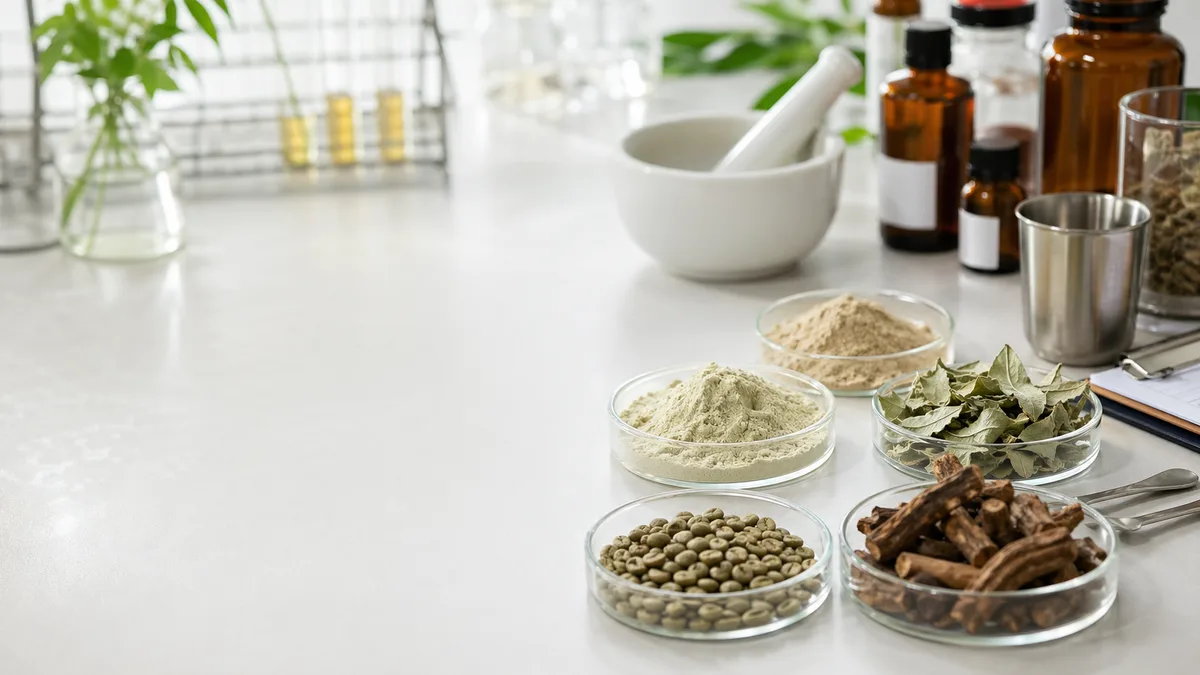
Built for extract specification and assay comparison
This page is intentionally narrower than the general botanical ingredient supplier page. Buyers use it when the sourcing question is specifically about botanical extracts: active-marker standardization, plant part, extraction ratio, assay method, carrier, documentation path, sample timing, and whether the grade can support repeat commercial orders.
Brand IngredientsFeatured botanical extract programs with stronger positioning
Specialty IngredientsStandardized active-marker extracts for differentiated formulas
Specification Extracts4:1 and ratio botanical extracts for practical commercial supply
Quality & DocumentsCOA, TDS, and testing report review path
How this page differs from other supplier pages
| Use this page for | Standardized botanical extracts, active-marker comparison, ratio extracts, assay method language, plant part, and COA/TDS review. |
|---|---|
| Use botanical ingredient supplier for | Broader category screening across extracts, powders, mushroom materials, fruit powders, and application paths. |
| Use nutraceutical supplier for | Supplement brand needs such as capsules, tablets, gummies, powders, beverage concepts, formula fit, and launch timing. |
| Use bulk botanical extracts for | Wholesale RFQs, MOQ, packing, destination, replenishment, and repeat-order planning. |
Priority botanical extract pages
Green Coffee Bean ExtractChlorogenic acid grades for supplement and beverage programs
Black Ginger Extract5,7-dimethoxyflavone grades for premium nutraceutical positioning
Artichoke ExtractCynarin specifications for botanical supplement sourcing
White Willow Bark ExtractSalicin grades for U.S. botanical ingredient buyers
Supplier qualification checklist
- Confirm botanical name, plant part, extraction ratio, active marker, and available grades.
- Review COA, TDS, and third-party testing requirements before sampling.
- Align sample quantity, target application, MOQ, lead time, and shipment route.
- Use U.S. warehouse support when available for faster commercial evaluation.
Technical notes for extract specification review
Use these technical notes when the supplier comparison depends on active-marker language, assay method, application fit, or COA/TDS document review rather than product name alone.
Green Coffee Chlorogenic Acid GradesCompare 10%-60% chlorogenic acid specs and application fit
Black Ginger 5,7-Dimethoxyflavone GradesReview HPLC marker language before comparing quotes
Artichoke Cynarin SpecsClarify cynarin, chlorogenic acid, and document path
Black Garlic SAC SpecsCompare SAC grade language, sensory fit, and COA/TDS support
How to compare botanical extract suppliers
For U.S. supplement, beverage, food, and personal-care teams, the strongest supplier shortlist is usually the one that can answer both technical and commercial questions. Ask each supplier for the same specification basis, COA/TDS path, sample timing, MOQ assumptions, and lead-time range so the comparison is fair.
Document review should match the product path being sampled or quoted.
Clarify whether the project is a sample, pilot, first commercial order, or repeat supply program.
Supplier comparison table for extract buyers
| Specification clarity | Supplier should identify botanical name, plant part, active marker or ratio, assay language, carrier, and available grades. |
|---|---|
| Document path | Buyer should know whether COA/TDS support is representative, sample-specific, lot-specific, or still by inquiry. |
| Sample readiness | Review whether sample timing, sample size, application fit, and document availability match the buyer's review stage. |
| Commercial fit | Compare MOQ, lead time, packing, destination, replenishment route, and U.S. warehouse relevance before final supplier selection. |
What makes an RFQ ready for supplier review?
A botanical extract RFQ becomes easier to answer when the buying team separates technical requirements from commercial assumptions. The first message does not need to be perfect, but it should include enough context for the supplier to identify the correct product path rather than guessing from a common ingredient name.
- Ingredient name, botanical name if known, plant part, and target extract form.
- Preferred active marker, extract ratio, test method, or standard grade.
- Application format such as capsule, tablet, gummy, powder blend, beverage, food, or personal care.
- Estimated sample, pilot, first order, and repeat-order quantities.
- Document needs such as COA, TDS, and available testing file questions.
Standard extract, bulk supply, or custom specification?
Not every project should follow the same sourcing route. A standard extract request may move quickly through specification and document review, while a custom botanical extract may need more technical discussion before sample timing and MOQ can be confirmed. Buyers can save time by explaining whether they need a standard grade, a wholesale bulk quote, or a made-to-order specification.
How Essence Source supports the first conversation
Essence Source is organized around inquiry-led sourcing rather than retail checkout. We help buyers route broad supplier searches toward product pages, quality document review, sample planning, and RFQ follow-up. That structure is especially useful for teams comparing several botanical extract suppliers and trying to understand which one can answer procurement, quality, and application questions in the same workflow.