U.S. Warehouse Available
Domestic dispatch path: Available for selected standard items when U.S. stock is confirmed. Transit timing, packing, and MOQ depend on product grade, lot status, and final destination.
For many U.S. buyers, warehouse support matters because it can shorten sample lead time, reduce uncertainty around first commercial orders, and simplify communication when timelines are tight. Essence Source uses a warehouse-support model to make those signals visible without publishing speculative inventory counts.
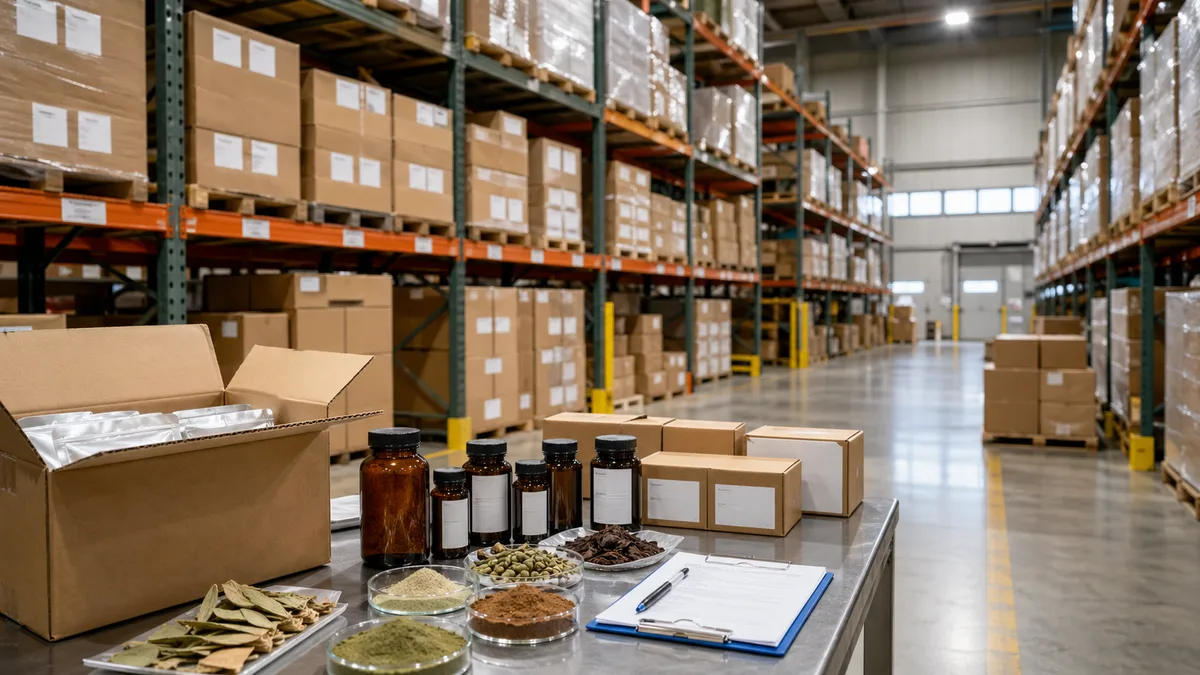
Domestic dispatch path: Available for selected standard items when U.S. stock is confirmed. Transit timing, packing, and MOQ depend on product grade, lot status, and final destination.
Replenishment path: Items not currently stocked can be reviewed through sourcing inquiry. Air or ocean freight options depend on product, volume, documentation, and buyer timeline.
Custom production path: Made-to-order specifications require technical review, MOQ confirmation, sample approval, and product-specific documentation before commercial timing is confirmed.
Buyers do not just want to know whether stock exists. They want to know whether a supplier can support evaluation, internal QA review, and a first purchase order with fewer unknowns.
Helps teams move from product screening to lab review more quickly.
Makes first commercial conversations easier when timing matters.
Lets procurement and QA teams ask about the exact lot path earlier.
Warehouse language should be treated as a commercial signal, not a blind guarantee. Buyers should confirm availability for the exact ingredient, grade, packing, destination, and document requirements before relying on a timeline.
| Sample path | Whether a U.S.-side sample route is available for the exact grade. |
|---|---|
| Document path | COA/TDS availability for the lot or specification under discussion. |
| Commercial path | MOQ, packing, replenishment route, and likely lead-time range. |
Buyers can compare this warehouse support page with our public company profile and official contact channel before starting a sourcing conversation.
Buyers often want to understand the commercial flow before they submit a request.
Buyer identifies a product and checks specification fit, application fit, and stock tag.
Sales confirms whether the request should follow a U.S. stock path, replenishment path, or made-to-order path.
COA, TDS, and related files are aligned to the inquiry and lot path being discussed.
Quote, packaging, and likely lead time are confirmed based on actual product and specification conditions.
Final availability can depend on grade, specification, packaging, lot release status, and document requirements. That is why Essence Source shows stock tags as commercial signals, then confirms the actual path during RFQ.
Warehouse service details should be confirmed against the product, lot path, buyer destination, and requested timing. If your team is comparing suppliers, ask for the shipment route and document timing together so availability and QA review are not treated as separate conversations.
Office address notes, warehouse service-area language, and supporting photos or documents should be added only after they are confirmed. The current page explains how buyers can ask the right questions today without relying on unverified claims.
These examples help buyers understand what a warehouse-supported product flow looks like before they inquire.
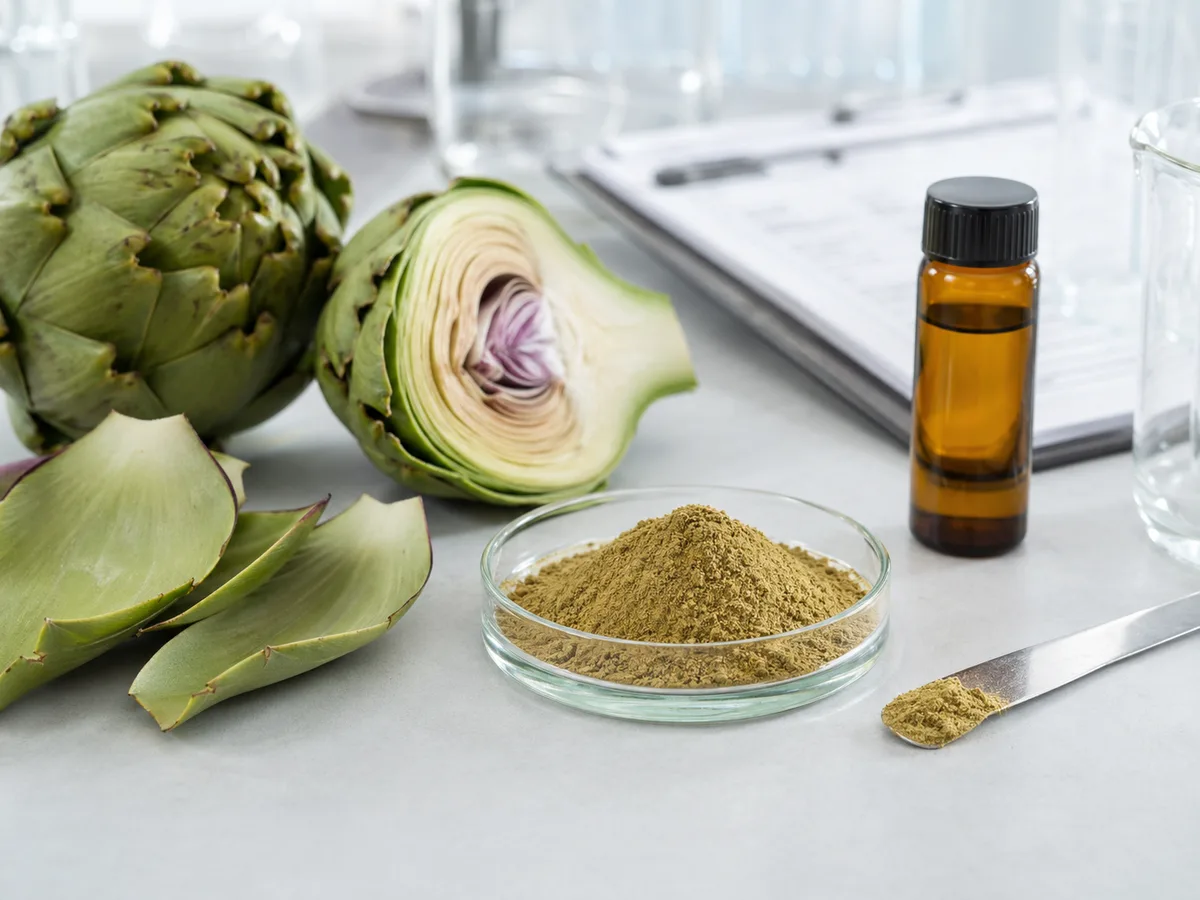
Standardized artichoke ingredient with cynarin and chlorogenic acid positioning for supplement programs.
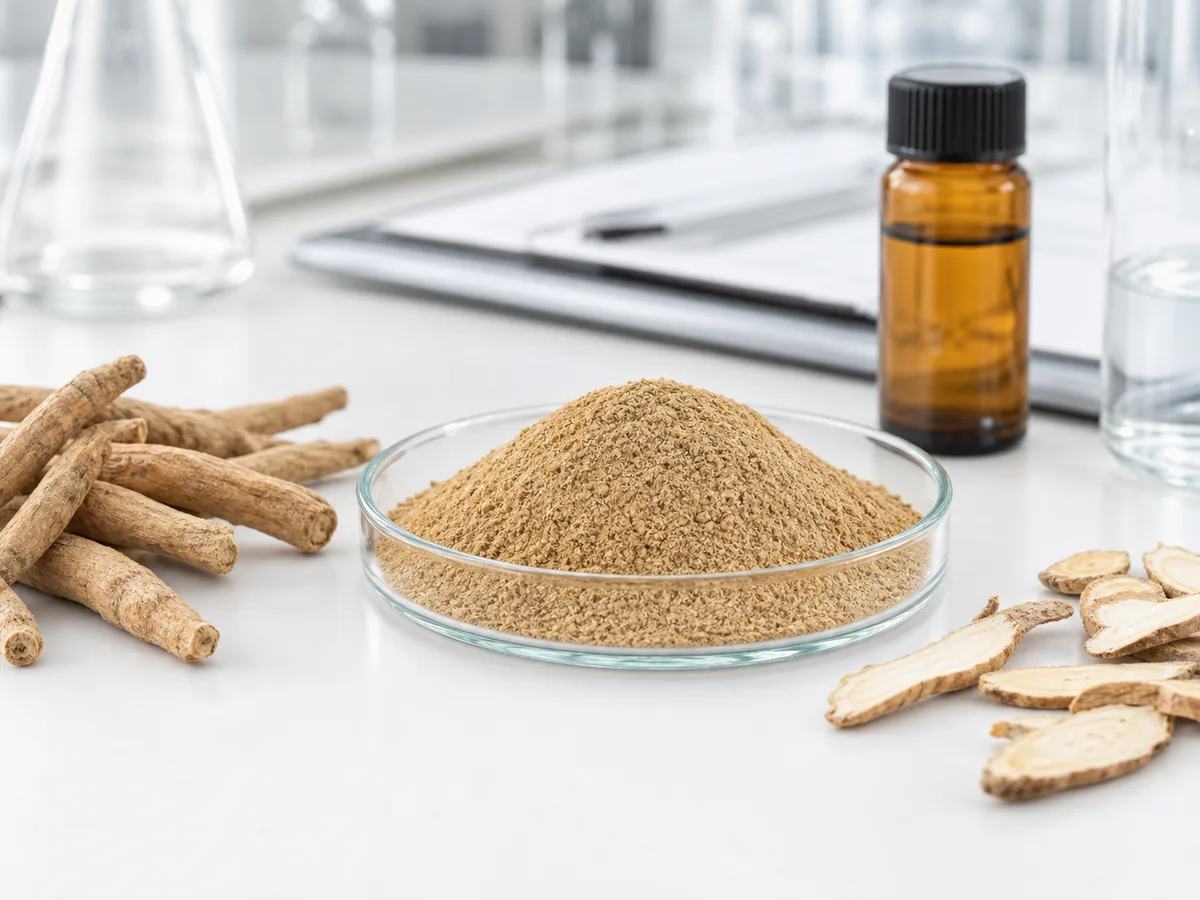
Established nutraceutical ingredient with U.S.-market RFQ support, sample handling, and batch-document follow-up.
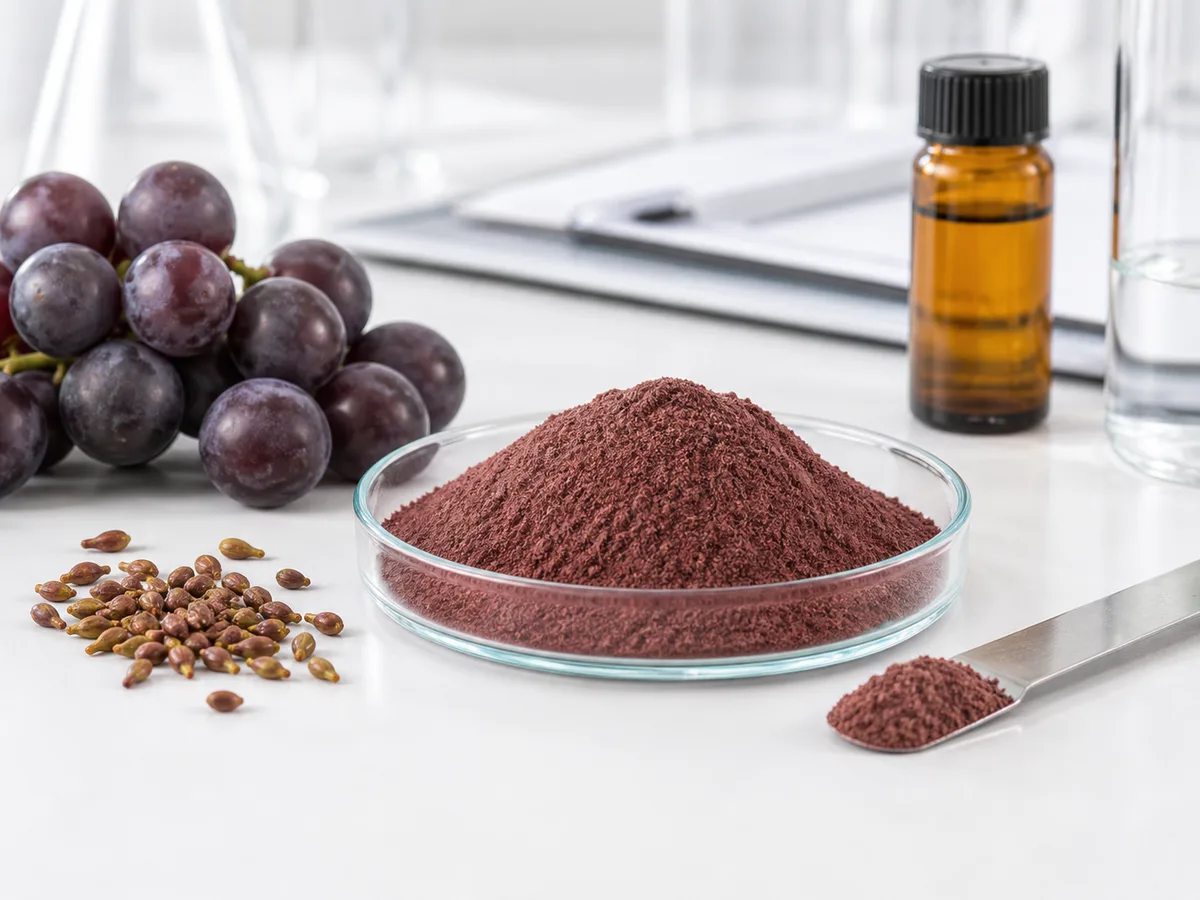
Polyphenol-position ingredient for established supplement categories, with sample and quote workflows ready.
Warehouse support helps only when the buyer has a clear ingredient, grade, document need, and commercial timing. These pages help procurement teams move from stock-path screening to a complete supplier request.